


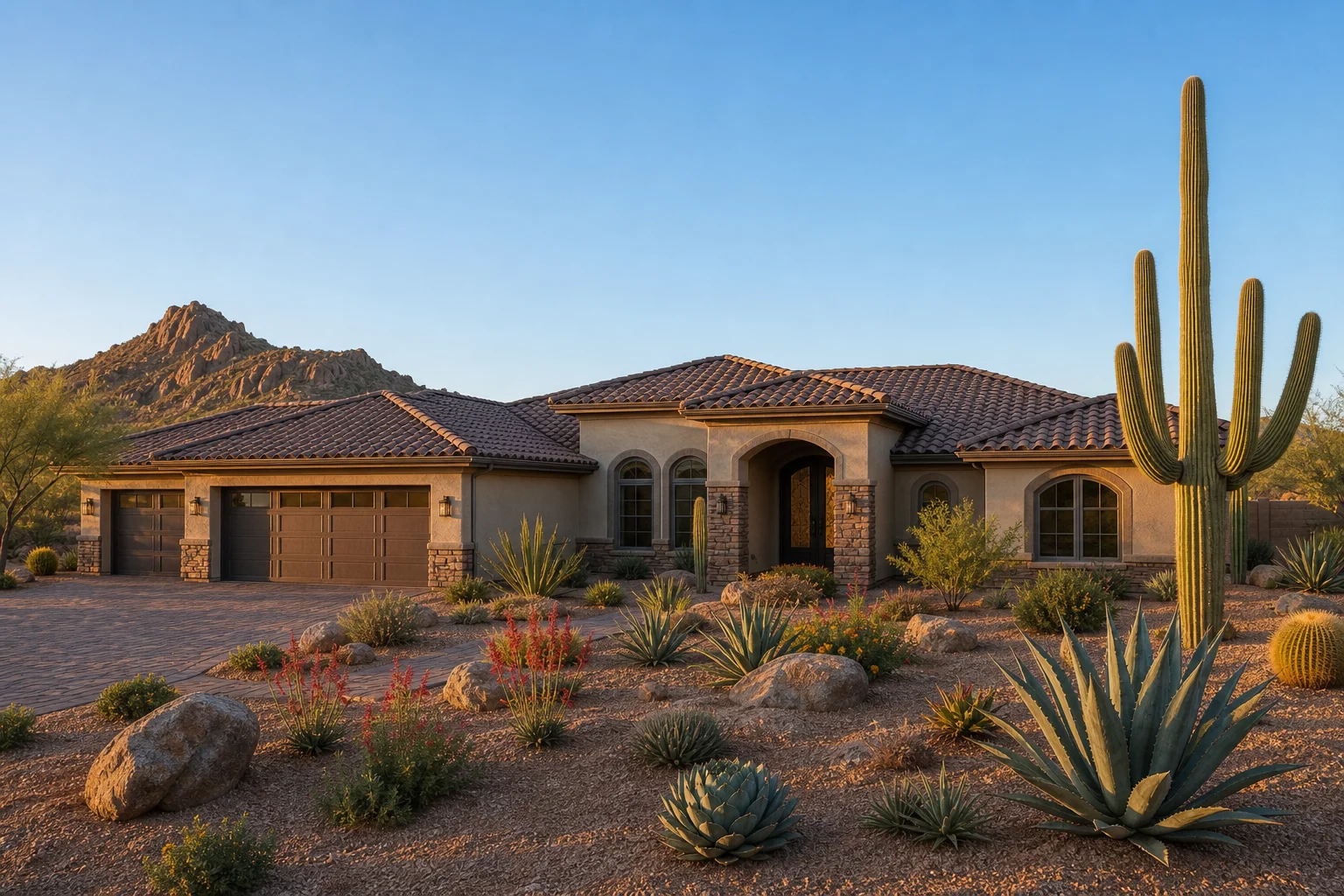
If you are seeing water stains on ceilings, missing shingles in the yard, or curling asphalt shingles along your roofline, those are clear signs you need a new roof. Arizona's intense heat, monsoon winds, and year-round UV exposure accelerate wear faster than most climates. Roofing Services from Tycho Solutions can assess whether it is time for a full replacement.
By Tycho Solutions Team
How Arizona's Climate Puts Your Roof Under Constant Stress
Phoenix-area homeowners face conditions most of the country never encounters. Summer temperatures regularly exceed 110°F, daily thermal cycles repeat without pause, and monsoon season delivers high winds, debris, and sudden heavy rain. UV radiation in the desert Southwest is among the highest in the United States, breaking down roofing materials faster than homeowners from cooler climates expect.
Tile roofs hold up well, but asphalt shingles take a harder hit. The granules that protect shingles from UV rays gradually loosen and wash into gutters, exposing the base mat. Once exposed, deterioration speeds up dramatically, and Arizona's sun ensures that timeline is short.
Roof age is one of the first factors a professional will evaluate. Most asphalt shingles carry a rated lifespan of 20 to 30 years under normal conditions, but Arizona's desert can reduce that to 15 to 20 years depending on pitch, attic ventilation, and installation quality.
Visual Warning Signs Visible From the Ground
You do not need to climb up to spot most problems. Walk the perimeter after any significant storm and look for the following.
Missing Shingles and Bare Patches
After a monsoon or high-wind event, check for missing shingles in the yard or along the roofline. Each gap exposes the roof deck to direct rain and UV damage. Even one absent shingle can push water under adjacent shingles during a short rainstorm. Widespread missing shingles signal the fastening system has failed and the overall roof is compromised.
Curling, Cupping, and Cracking
Shingles that are cupping (edges turning up) or clawing (middle rising while edges stay flat) no longer lie flat against the deck. Wind can get underneath and peel them away in the next storm. Cracked shingles have become brittle and will break apart rather than flex under stress. Both conditions signal you need a new roof rather than spot treatment.
Granule Loss and Bare Spots
Check your gutters after rain. A heavy deposit of grit signals significant surface erosion. Bare spots on shingles, visible as darker or lighter patches from the ground, confirm the UV-protective coating is largely gone. Widespread granule loss is one of the strongest indicators that it is time to replace roof materials rather than wait for the next failure.
Moss, Algae, and Dark Streaking
Arizona's dry climate limits moss, but low-slope sections and shaded overhangs can accumulate organic growth. Dark streaks and any visible moss indicate moisture is being trapped against the surface. Left unaddressed, moss roots can damage roof deck boards beneath the shingle layer.
Sagging Sections
Any visible sag along the roofline is a structural concern, indicating the roof deck or underlying supports may be compromised from long-term moisture intrusion. A sagging roof requires immediate professional evaluation before the next rain event.
Interior Warning Signs: Water Stains and Attic Damage
Problems outside eventually appear inside. Check these areas regularly, especially after monsoon storms.
Water Stains on Ceilings and Walls
Yellow or brown rings on interior ceilings are a strong indicator of active or past roof leaks. Because water travels along rafters before dripping, the stain may appear several feet from the actual entry point. A single stain does not automatically mean full replacement, but it must be investigated. Ignoring it allows moisture to saturate insulation, promote mold, and weaken structural framing.
Attic Inspection
Your attic tells the honest story your ceiling hides. Look for daylight through the roof deck, dark streaks on rafters, damp or compressed insulation, and soft spots on deck boards. If you can see sky from your attic, weather is entering every time it rains. Poor ventilation also accelerates shingle deterioration from inside, trapping heat that degrades asphalt shingles from below. The National Roofing Contractors Association has documented that inadequate attic ventilation is a leading cause of premature shingle failure, particularly in high-heat climates.
Flashing Failures
Flashing seals transitions around chimneys, skylights, vents, and roof valleys. Cracked, corroded, or improperly installed flashing is one of the most common leak sources. Widespread flashing problems on an aging system often signal it is time for full replacement rather than chasing individual leaks.
Roof Age and Material Lifespan: When Replacement Becomes Inevitable
Asphalt shingles are the most common residential roofing material. In Arizona, realistic service life lands toward the lower end of any manufacturer rating due to UV intensity and temperature extremes.
Concrete and clay tile roofs last longer, often 30 to 50 years, but the underlayment beneath the tile can fail well before the tile itself. A re-roof on a tile home typically means replacing the underlayment and flashings while resetting or replacing the tile field.
Metal roofing offers excellent longevity and heat-reflective properties suited to the desert. Many homeowners upgrading from asphalt select metal for its long-term durability and energy performance in an Arizona summer.
If your home is approaching or past the expected service life for its roofing material, that warrants a professional assessment even without dramatic visible symptoms.
Repair vs. Replace: Why a Full New Roof Usually Wins
Tycho Solutions does not perform minor patch repairs. That reflects a practical reality: patching an aging roof delays the inevitable while adding cost. A patch on a 20-year-old roof with widespread granule loss, damaged shingles across multiple sections, and compromised flashing is not a durable solution.
Monsoon or hailstorm damage can affect the entire roof field, not one isolated spot. When damage is widespread, a full replacement delivers consistent protection, a manufacturer-backed warranty, and drainage designed for the complete system.
Consider the total cost. An emergency patch now, another in two years, and the full replacement eventually costs more than a planned replacement when the signs are clear. A roof not replaced on a reasonable schedule causes secondary damage: ruined insulation, compromised drywall, mold remediation costs, and weakened attic structure. Planned replacement runs more smoothly and produces a more predictable outcome.
For homeowners evaluating home performance alongside the roof, HVAC Systems upgrades often pair well with a new roof, since improved attic ventilation and reflective roofing materials directly reduce cooling loads during Arizona summers.
Frequently Asked Questions
How do I know whether I need a new roof or just repairs?
A professional on-site assessment is the only reliable way to confirm the full scope of damage. Visible signs from the ground, including missing shingles, water stains, granule loss, and sagging, indicate the roof needs attention, but only an inspector can determine whether damage is localized or widespread. If multiple signs from this checklist are present simultaneously, a full replacement is typically the more cost-effective long-term answer.
How long does asphalt roofing last in the Phoenix area?
In Arizona's climate, asphalt shingles realistically perform for 15 to 25 years, shorter than national averages due to intense UV exposure, extreme summer heat, and monsoon wind events. Regular inspections, quality attic ventilation, and proper installation extend that range. Once granule loss is widespread and shingles are curling or cracking across multiple sections, the roof has reached end of service life.
What are the most common causes of early roof failure in Arizona?
Poor attic ventilation is the leading cause of premature failure for asphalt shingles in Arizona, trapping heat that degrades materials from beneath. Improper installation, insufficient flashing at penetrations and transitions, and storm damage from hail or monsoon winds are also frequent contributors. Annual inspections catch these problems before they compound into structural issues.
Can I stay home during a roof replacement?
In most cases, yes. A full roof replacement is completed in one to a few days depending on roof size and complexity. Work is noisy and debris management is important, but the interior remains accessible throughout. Your contractor should walk you through the daily schedule and any recommended precautions before work begins.
Does a new roof increase home value in Arizona?
Yes. A new roof is consistently among the highest-return home improvement investments at resale. Beyond market value, it protects all the systems and finishes inside the home. Arizona buyers scrutinize roof age and condition during purchase inspections, and a recently replaced roof removes a major negotiating concern from the transaction.
Get a Clear Answer Before the Next Monsoon Season Arrives
If this checklist describes what you are seeing on or inside your home, the right move is a professional assessment now rather than after the next storm confirms the damage. Get a Free Estimate from Tycho Solutions and find out exactly what a planned roof replacement will involve for your home.