


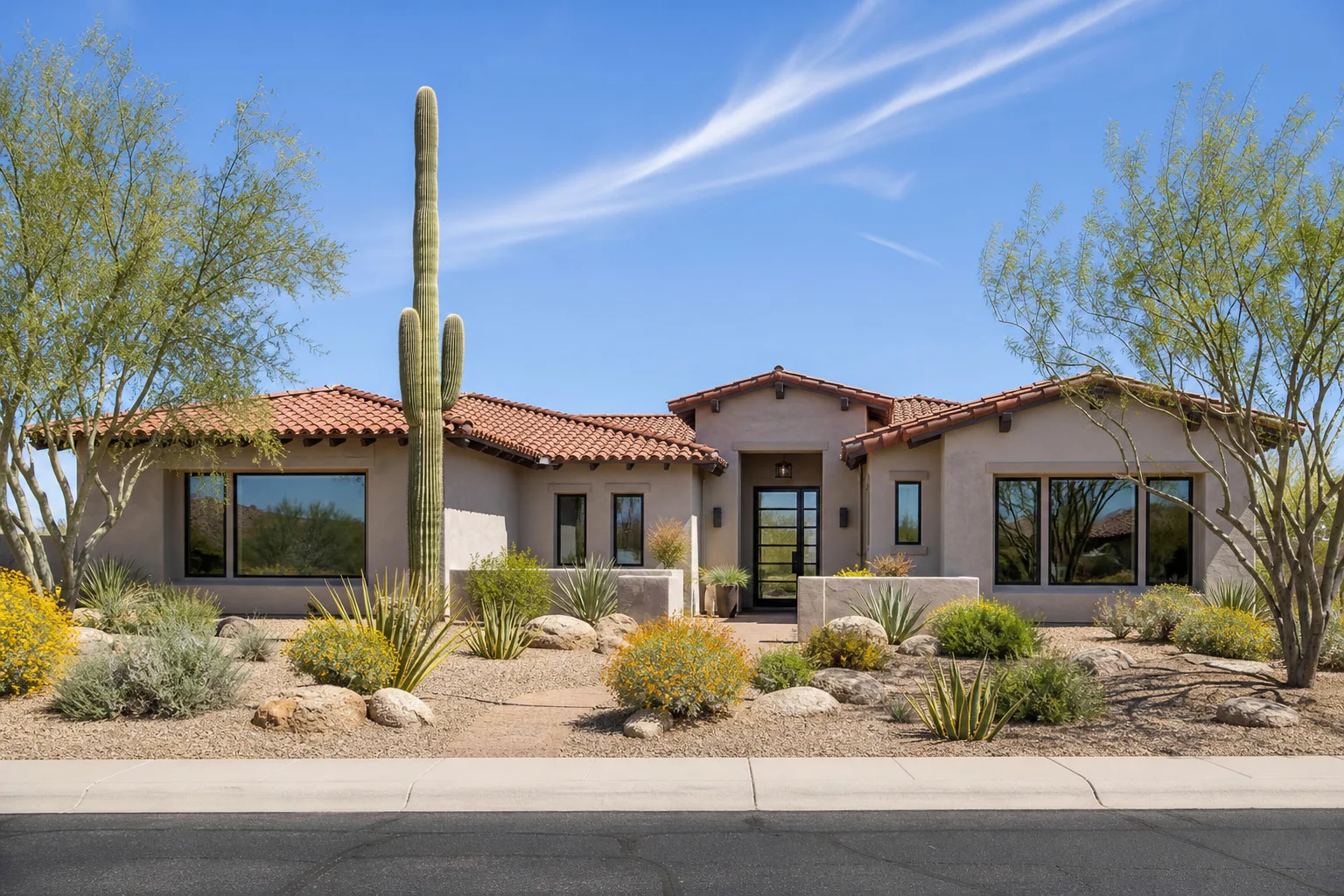
Energy-efficient windows in Arizona cut AC bills by reducing solar heat gain through high-performance Low-E glazing and thermally broken frames. Properly installed Windows & Doors for the desert climate address extreme solar exposure head-on, improving home energy performance and shrinking energy bills through both sweltering summers and cooler winter nights.
By Tycho Solutions Team
Why Arizona Homes Face a Different Window Challenge
Arizona's climate is unlike most of the country. Maricopa County records roughly 299 days of sunshine annually, and summer highs routinely exceed 110 degrees. Standard single-pane or older double-pane windows were never engineered for this level of continuous solar radiation. They allow radiant heat to cross into your living space all day, forcing your HVAC system to run longer and harder to compensate.
The result shows up directly on your energy bills. The U.S. Department of Energy estimates that heat gain and heat loss through windows account for roughly 25 to 30 percent of residential heating cooling energy use in American homes. In the Phoenix area, that load skews heavily toward cooling. A home with aging, inefficient windows is working against its own air conditioner every summer afternoon.
Energy-efficient windows are designed to interrupt that cycle by using multiple layers of glass, Low-E coatings, and thermally resistant frames to reduce how much heat enters the home. The result is a lighter load on your cooling system and measurable savings month after month.
How Energy-Efficient Windows in Arizona Block Desert Heat
The two core technologies in a quality desert-rated window package are Low-E glass coatings and thermally broken frames. Understanding how each one works helps explain why complete window replacement, rather than patching or partial fixes, is the approach that produces lasting efficiency gains.
Low-E coatings are microscopically thin metallic layers applied to the glass surface during manufacturing. They reflect a significant portion of solar radiation, particularly near-infrared wavelengths, away from the home while still allowing visible light to pass through. For Arizona homes, a Low-E package calibrated for high solar gain control is the priority. This coating is part of the glass itself, not a film added after installation, and its performance does not degrade over the window's service life.
Thermally broken frames address a second heat pathway: conduction through the frame material itself. Standard aluminum frames conduct heat rapidly, creating a thermal bridge between the hot exterior and your conditioned interior. Fiberglass and vinyl frames, as well as aluminum frames built with an interior thermal break, interrupt that conduction path. Fiberglass in particular expands and contracts at nearly the same rate as glass, which preserves seal integrity across Arizona's dramatic temperature swings from sub-40-degree winter nights to 115-degree summer afternoons.
Together, these two technologies reduce solar heat gain in summer and heat loss in winter, making the window perform well across Arizona's full heating cooling range.
The Real Impact on Your Energy Bills
Homeowners considering replacement windows often want a specific dollar figure, and the honest answer is that savings vary by home size, window count, orientation, existing HVAC efficiency, and local utility rates. What research confirms is that the impact is real and consistent.
The Lawrence Berkeley National Laboratory (LBNL), through DOE-funded research published by the Building Technologies Office, has documented that replacing single-pane windows with ENERGY STAR certified units produces measurable energy efficiency gains in cooling-dominant climates. The reduction in solar heat gain directly reduces the runtime hours your air conditioner needs to maintain comfort. Fewer runtime hours translate to lower energy bills.
For a Phoenix-area home with 15 to 20 windows that have not been replaced in 15 or more years, the cumulative effect across a full cooling season is substantial. When your windows are blocking a meaningful share of incoming solar radiation rather than transmitting it, your home energy load drops and your thermostat holds setpoint with less effort from the air conditioner.
The winter side of the equation also matters. Arizona winters are mild but not negligible. Nights in the East Valley regularly drop below 40 degrees in December and January. Insulated, thermally broken windows retain indoor heat more effectively than older units, which means your heating system runs less during those cooler months as well. The efficiency benefit moves in both directions across the full heating cooling cycle.
Frame Material Choices for Desert Performance
Not all replacement windows perform equally in Arizona's specific conditions. The climate subjects frames to prolonged UV exposure, wide daily and seasonal temperature swings, and occasional monsoonal humidity. Frame material selection is a meaningful part of the energy efficiency decision.
Fiberglass frames are a strong choice for desert installations. They are dimensionally stable under thermal cycling, highly resistant to UV degradation, and maintain their seal quality over long service periods. Their insulation value is also higher than standard aluminum.
Vinyl frames offer good thermal performance and hold up well to UV exposure when formulated specifically for high-heat climates. Quality vinyl lines for the Southwest use UV-stabilized profiles that resist fading and warping under extended desert sun.
Standard aluminum frames without a thermal break are generally not recommended for energy efficiency in Arizona. They conduct heat readily and represent one of the primary sources of frame-related heat gain in older Phoenix-area homes.
The frame is not a secondary consideration. A high-performance Low-E glass unit installed in a thermally poor frame will not deliver the full savings potential on your energy bills. Pairing your window upgrade with proper Insulation in the attic and walls compounds the benefit further, sealing the thermal envelope from multiple angles and maximizing the return from both investments.
Installation Quality Determines Real-World Results
A full window replacement is a precise installation, not a quick swap. Each unit must be properly sized, squared, shimmed, and sealed to perform as rated. Gaps in the rough opening, inadequate flashing, or a poorly seated frame can undermine both the thermal performance and the weather seal of even a high-quality window.
For Arizona homes with stucco exteriors, the installation details around the window perimeter are especially important. Proper flashing and sealing prevent moisture intrusion during monsoon season while also maintaining the air seal that energy efficient windows depend on. A window that performs at specification on a test stand but is incorrectly installed will not deliver the energy efficiency results its glass and frame are capable of.
This is why complete window replacement, approached as a full system upgrade with attention to each opening's specific dimensions and conditions, produces better long-term results than patch repairs or partial replacements.
Frequently Asked Questions
Will energy-efficient windows really lower my Arizona AC bill?
Yes. Replacing older windows with properly installed, desert-spec Low-E packages reduces the solar heat gain your air conditioner has to overcome. The U.S. Department of Energy documents that windows account for roughly 25 to 30 percent of residential heating cooling energy use. Reducing that load produces consistent savings on energy bills, particularly across Arizona's long cooling season.
What makes a window energy efficient for the Arizona climate specifically?
In Arizona, the priority is high solar gain control through Low-E coatings that reflect near-infrared radiation. A thermally broken or fiberglass frame prevents conduction heat transfer through the frame itself. Together these features reduce both radiant and conductive heat entry during peak cooling months, improving comfort and cutting energy bills year-round.
Should I replace all windows at once or phase the project?
Full replacement delivers better results. A home with some new windows and some old ones still has significant heat gain pathways through the older units. If phasing is necessary, prioritize south-facing and west-facing windows first, since they receive the most direct afternoon solar exposure in Arizona and contribute the most to summer cooling load.
How do energy-efficient windows perform in Arizona winters?
Well-insulated, thermally broken windows retain indoor heat more effectively than older units, reducing heating system runtime on cool desert nights. Arizona winters are mild but real, and efficient windows contribute to lower energy bills and consistent comfort across the full heating cooling calendar.
Does window replacement qualify for any energy efficiency incentives?
Federal tax credits for qualified energy-efficient home improvements are available under the Inflation Reduction Act for eligible window products. Eligibility and credit amounts depend on specific product specifications and your tax situation. Consult a tax professional and verify current IRS guidance before making purchasing decisions based on available credits.
Replace Your Windows and Start Reducing Your Cooling Costs
If your Arizona home has windows that have never been replaced, or units showing seal failure and drafting, a complete replacement with a desert-calibrated energy-efficient window package is one of the highest-return thermal upgrades available. Get a Free Estimate from the Tycho Solutions team to find out what full window replacement would mean for your home's comfort and monthly energy bills.