


Choosing between a tile roof vs shingle roof comes down to climate performance, upfront cost, and how long you want the roof to last. In Arizona's heat, tile roofing typically outperforms asphalt shingles for durability and energy efficiency, though shingle roofs remain a lower-cost option worth understanding before you commit. Our Roofing Services team walks through both systems below.
By Tycho Solutions Team
Tile Roof vs Shingle Roof: The Core Differences
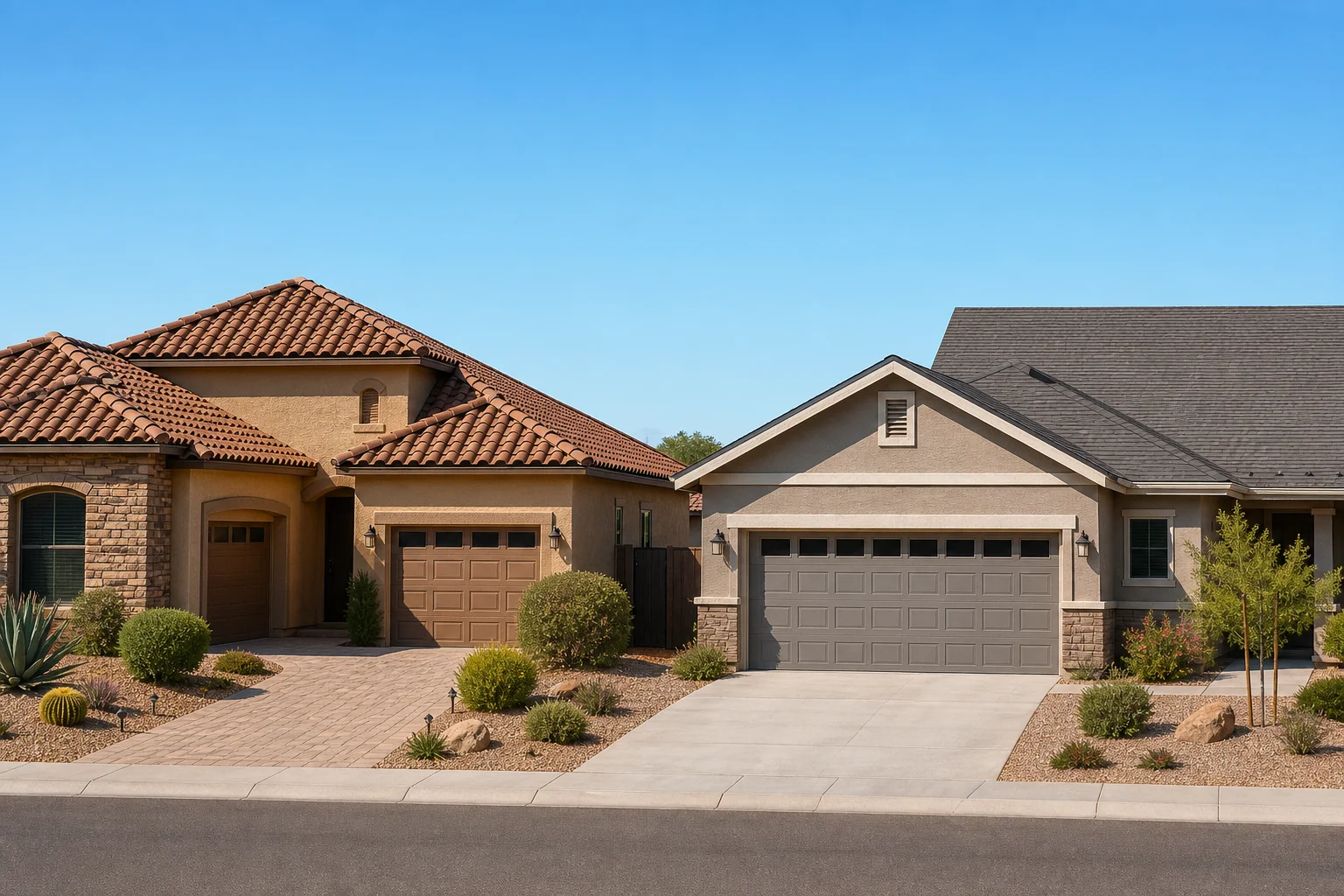
Arizona homeowners planning a re-roof usually land on the same question: tile roof vs shingle roof, and which one holds up better under desert sun, monsoon wind, and summer heat. Making the right call between these two options starts with understanding what each roofing material actually is. Roof tile is a heavy, thick roofing material typically made from clay or concrete, formed into the barrel or flat profiles you see across Phoenix-area rooflines. Shingle roofing, by contrast, is a lighter, more affordable roofing material made of layered asphalt shingles bonded to a fiberglass mat, offering a flatter profile and a wider range of colors. Both are legitimate roofing materials, but they perform very differently once the temperature climbs past 110 degrees for weeks at a time, and the best choice depends on your home's structure, budget, and how long you plan to stay in the house.
What Each Roofing Material Is Made Of
Clay concrete tile is fired or cast into individual pieces and set in overlapping rows, while asphalt shingles are manufactured in sheets and nailed down in courses. That manufacturing difference is why tile roofs are so much heavier per square foot, and why shingle roofs go up faster with fewer specialized tools.
Look and Curb Appeal
Tile roofs read as classic Southwest architecture, the barrel-profile look you see on Spanish colonial and Mediterranean-style homes throughout the Valley. Shingle roofing suits more contemporary builds and gives homeowners a wider palette of colors and textures to match a modern exterior.
How Tile Roofing Performs in Arizona's Climate
Tile roofing has an inherent advantage in Arizona because of how it interacts with heat. Most tile roofs use a batten system that creates an air gap between the roof tile and the deck, letting hot air vent instead of transferring straight into the attic. Each roofing tile is fired or cast to handle direct sun without breaking down chemically, unlike asphalt shingles that rely on a protective granule coating to slow UV damage. Clay concrete tile options both handle direct sun well, and well-installed tile roofs on Valley homes routinely outlast the shingle roofs on the house next door. Because roof tiles are inorganic, they also resist the sun damage, curling, and granule loss that shorten the life of an asphalt shingle roof in a low desert climate. Arizona's monsoon season adds another variable: the impact of high wind gusts and wind-driven rain that can lift shingles or crack tiles if the roof wasn't installed correctly. For a closer look at storm-specific risks, read our guide to monsoon roof damage in arizona.
Asphalt Shingles: Where They Still Make Sense
Asphalt shingles are still a practical, affordable option for plenty of Arizona homes, especially where the roof structure was never engineered to carry the added weight of roof tile. Shingle roofing is lighter, faster to install, and available in far more color and texture combinations than tile. For homeowners weighing cost, shingle roofs typically install for less than tile roofing per square, though exact pricing depends on your roof's pitch, size, and current condition and requires an on-site assessment to nail down. Shingle roofs also make sense on additions, patios, or secondary structures where matching a tile roof's cost isn't practical. If your current roof is already showing wear, it helps to know what to look for first. Check our guide to signs you need a new roof before deciding whether repair, replacement, or a material switch makes sense for your home. It's worth noting Tycho focuses on full roof replacement and new construction rather than minor patch repairs, so any recommendation we make starts with the long-term picture, not a short-term fix.
Cost, Weight, and Installation Considerations
Weight is the single biggest factor separating these two roofing materials. Concrete and clay roof tile can weigh several times more per square than asphalt shingles, which is why any switch from shingle roofing to tile roofing should start with a structural evaluation, not a materials brochure. Installation timelines differ too: a shingle roof install typically moves faster because crews aren't hand-setting individual tiles across every plane of the roof type. Because pricing swings so much with pitch, tile profile, and structural work, we always recommend getting a written number for your specific home rather than comparing generic online estimates. For a broader breakdown of price ranges by roof size and material, see our guide to how much does a new roof cost in arizona? (2026 guide). Get a Free Estimate and our team will walk your roof, confirm what it can structurally support, and price both tile and shingle options side by side.
Durability and Lifespan: Clay, Concrete, and Shingle Roofs Compared
When it comes to durability and lifespan, the tile roof vs shingle roof comparison isn't close in most Arizona settings. A properly installed clay or concrete tile roof can last several decades with only periodic maintenance, since the tile itself doesn't absorb UV radiation the way asphalt shingles do. Shingle roofs still perform reasonably well when installed correctly and ventilated properly, but the desert sun is harder on organic and fiberglass mat materials than on fired clay or cast concrete tiles. Routine maintenance differs too: tile roofs generally need occasional cracked-tile replacement and gutter checks, while shingle roofs benefit from periodic inspection for granule loss and lifted edges after monsoon season. Not sure which category your existing roof falls into? A professional walk-through answers that faster than guessing, see more on roof inspection cost in arizona (and when you actually need one) for what that process involves. If you're deciding what's best for a long-term investment, weigh lifespan against upfront cost: tile roofing costs more initially but often needs full replacement far less often than an asphalt shingle roof exposed to the same sun and monsoon cycles every year. Warranty terms vary by manufacturer and product line, so ask for the manufacturer-backed warranty details specific to the materials on your estimate rather than assuming a standard number applies.
If you are weighing whether your current roof needs professional attention before you decide between tile and shingle, we break down typical roof inspection costs and timing in more detail.
Frequently Asked Questions
Is a tile roof more expensive than a shingle roof?
In most cases, yes. Tile roofing costs more upfront than asphalt shingles because of the material, structural requirements, and labor involved in setting individual tiles. Shingle roofing is typically the lower-cost option to install. Exact pricing depends on your roof's size, pitch, and current structure, so getting an accurate number requires an on-site assessment rather than a generic online estimate.
Can any Arizona home be converted from shingle to tile?
Not always. Roof tile is significantly heavier than asphalt shingles, so converting from shingle roofing to tile roofing usually requires a structural evaluation to confirm the existing framing can support this roof type's added weight. Some homes need reinforcement before a tile roof is possible, while others are already built to handle it. A walk-through is the only reliable way to know.
How long does each roofing material typically last?
Tile roofs generally outlast shingle roofs in Arizona's climate because clay and concrete tile resist UV degradation better than asphalt shingles. Shingle roofing still performs well when installed and ventilated correctly, but the intense desert sun tends to shorten its lifespan compared to tile. Manufacturer-backed warranty terms vary by product, so ask about specifics during your estimate.
Do tile roofs handle monsoon wind better than shingles?
Properly installed tile roofs and properly installed shingle roofs can both perform well in monsoon conditions. The key factor is installation quality, not just material. Poorly fastened shingles can lift in high wind, and improperly set roof tiles can crack or shift. Working with an experienced roofing crew matters more than the material alone when it comes to storm resistance.
Which option is better for energy efficiency in the heat?
Tile roofing generally has an edge for energy efficiency because the airflow created underneath the tiles helps reduce heat transfer into the attic. Shingle roofs can still perform reasonably well with proper attic ventilation and insulation. If energy efficiency is a top priority, pairing either roofing material with quality insulation makes the biggest difference in home comfort.
Get a Clear Recommendation for Your Roof
Whether a tile roof vs shingle roof makes more sense for your home depends on your structure, budget, and how long you plan to stay in the house, and that conversation is best had on-site, not over the phone. Reach out for a walk-through and a written comparison of both options, see Roofing in Chandler, AZ for local coverage and next steps.