

Choosing the best roofing material for Arizona heat comes down to four main contenders: tile roofing, metal roofing, foam systems, and asphalt shingles, each with distinct pros and cons shaped by the desert climate. Roofing Services from Tycho Solutions covers all four options so arizona homes can get the right system matched to their structure, budget, and long-term goals.
By Tycho Solutions Team
Why Arizona's Climate Demands More from Roofing Materials
Arizona's summer sun pushes temperatures past 110°F regularly in the Phoenix metro area, UV exposure is relentless year-round, and the monsoon season delivers sudden heavy rain after months of bone-dry heat. That combination of thermal cycling, intense sun, and occasional high wind loads tests roofing materials in ways that milder climates simply do not.
For arizona homes, picking the wrong roofing material means facing a roof replacement far sooner than expected, along with elevated cooling bills in the years leading up to that point. The right roof system contributes directly to energy efficiency: a surface that reflects or dissipates solar heat reduces the load on cooling equipment in a climate where air conditioning runs for eight months of the year.
Tile Roofing: The Desert Standard
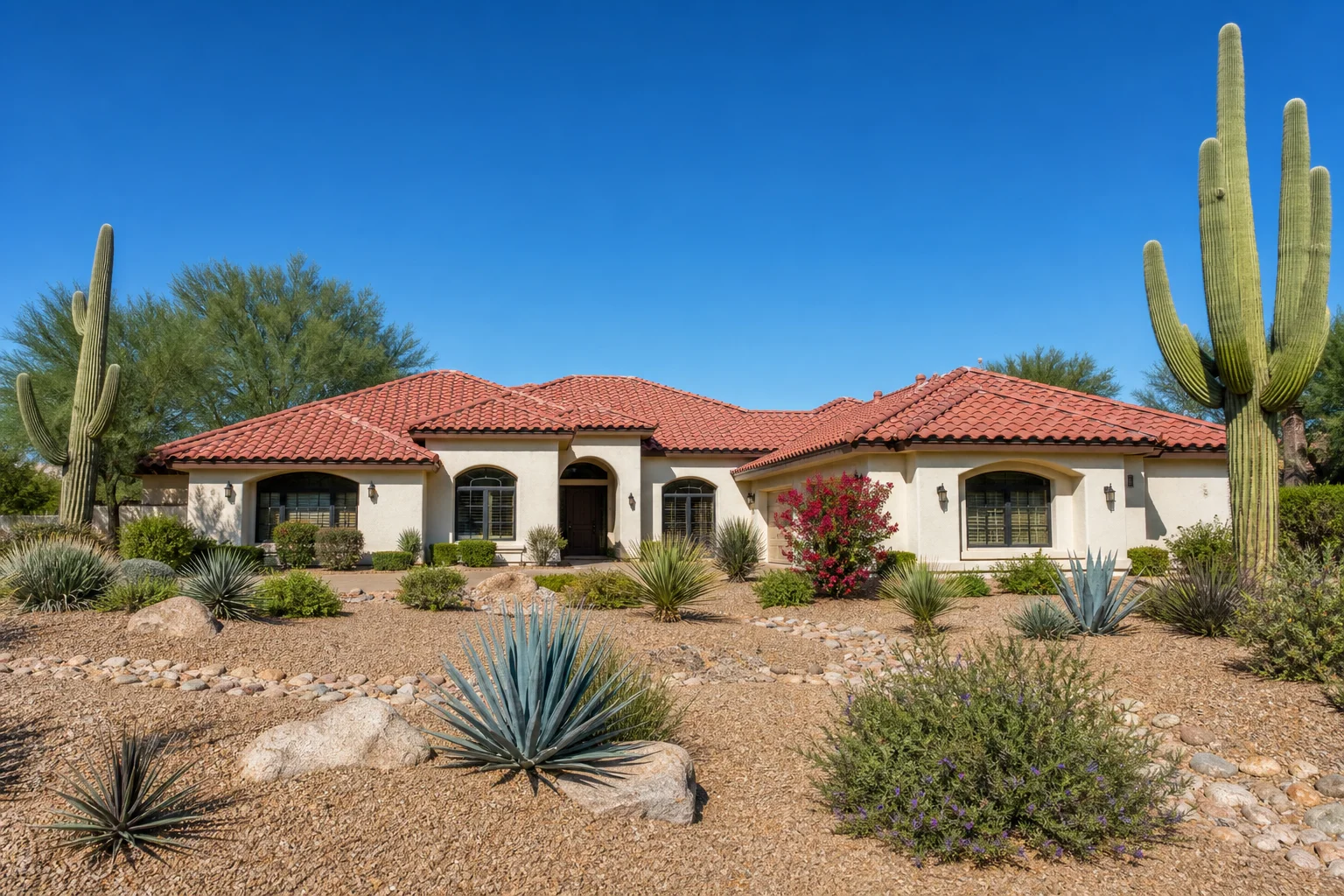
Tile roofing has been the go-to choice for residential construction across the Southwest for generations, and the reasons come down to real performance. Clay and concrete tiles carry significant thermal mass, which slows heat transfer from the exterior into the attic and living spaces below. Their curved profile allows air to circulate underneath each tile, reducing radiant heat gain compared to materials installed flat against the deck.
Clay concrete tile roofing is one of the most time-tested solutions available for desert climates. Clay tiles commonly last 50 years or more when installed correctly, and concrete tiles offer comparable durability at a lower material cost. Both handle the intense UV exposure that degrades other roofing materials far faster in Arizona than in cooler regions.
The trade-off with tile is weight. Tile roofing is heavy, and homes built with lighter framing may need a structural assessment before a tile system can go on. The upfront cost is higher than asphalt shingles, but the longer lifespan typically makes tile the stronger value over the full ownership period. Materials such as slate, while durable, are rarely specified for Arizona homes due to weight, regional cost, and limited contractor familiarity in the desert market.
Metal Roofing: Heat Reflection and Long-Term Durability
Metal roofs have grown steadily in popularity across the Southwest, and the performance data supports the trend. Metal roofing reflects solar radiation rather than absorbing it, cutting the heat transferred into the home during peak afternoon sun hours. Standing-seam metal systems and stone-coated metal panels both perform well under high-UV, high-heat desert exposure.
Metal roofs are among the most durable roofing materials available in hot climates. They resist cracking, warping, and the granule loss that gradually weakens asphalt shingles over time. A properly installed metal system can last 40 to 70 years, making roof replacement a much less frequent event over the life of the home.
One factor worth noting: metal roofing conducts heat rapidly, so its energy efficiency advantage depends on pairing it with adequate attic insulation and a radiant barrier. Without those supporting layers, some of the reflective benefit is offset. Homeowners who add a metal roof as part of a broader efficiency upgrade often assess their HVAC Systems at the same time to capture the full cooling benefit.
Asphalt Shingles and Foam Roofing for Arizona Homes
Asphalt Shingles: Accessible but Climate-Sensitive
Asphalt shingles are the most widely installed roofing material in the United States, and they are present on a large share of arizona homes. Lower upfront cost and straightforward installation make them appealing for budget-driven roof replacement projects.
The honest limitation is lifespan. In cooler climates, asphalt shingles may last 20 to 30 years. In Arizona's intense UV and heat environment, the granule surface degrades faster and lifespans often fall shorter than manufacturer ratings. Homeowners considering asphalt shingles for desert conditions should ask specifically about products rated for high-heat exposure and factor a shorter replacement cycle into any long-term cost comparison. For homeowners who plan to stay long-term, tile or metal roofing typically delivers stronger total value.
Foam Roofing for Flat and Low-Slope Roofs
Flat roofs are common on arizona homes, particularly in mid-century neighborhoods and on properties with room additions. Standard pitched-roof materials are not appropriate for flat or low-slope applications, and foam roofing has become one of the most widely used systems in the Arizona market for these configurations.
Spray polyurethane foam is applied as a liquid that expands into a seamless insulating layer directly on the roof surface. Because foam roofing has no seams or penetration points, it removes the most common sources of water intrusion on flat roofs. It also adds meaningful insulation at the roof plane, which improves energy efficiency for spaces with limited attic clearance. Foam systems require a protective elastomeric coating on top to resist UV degradation, and that coating needs periodic reapplication to maintain performance.
For flat roofs, foam roofing is one most Arizona roofing contractors recommend when energy efficiency and long-term leak prevention are the primary goals.
Selecting the Best Roofing Material for Arizona Heat
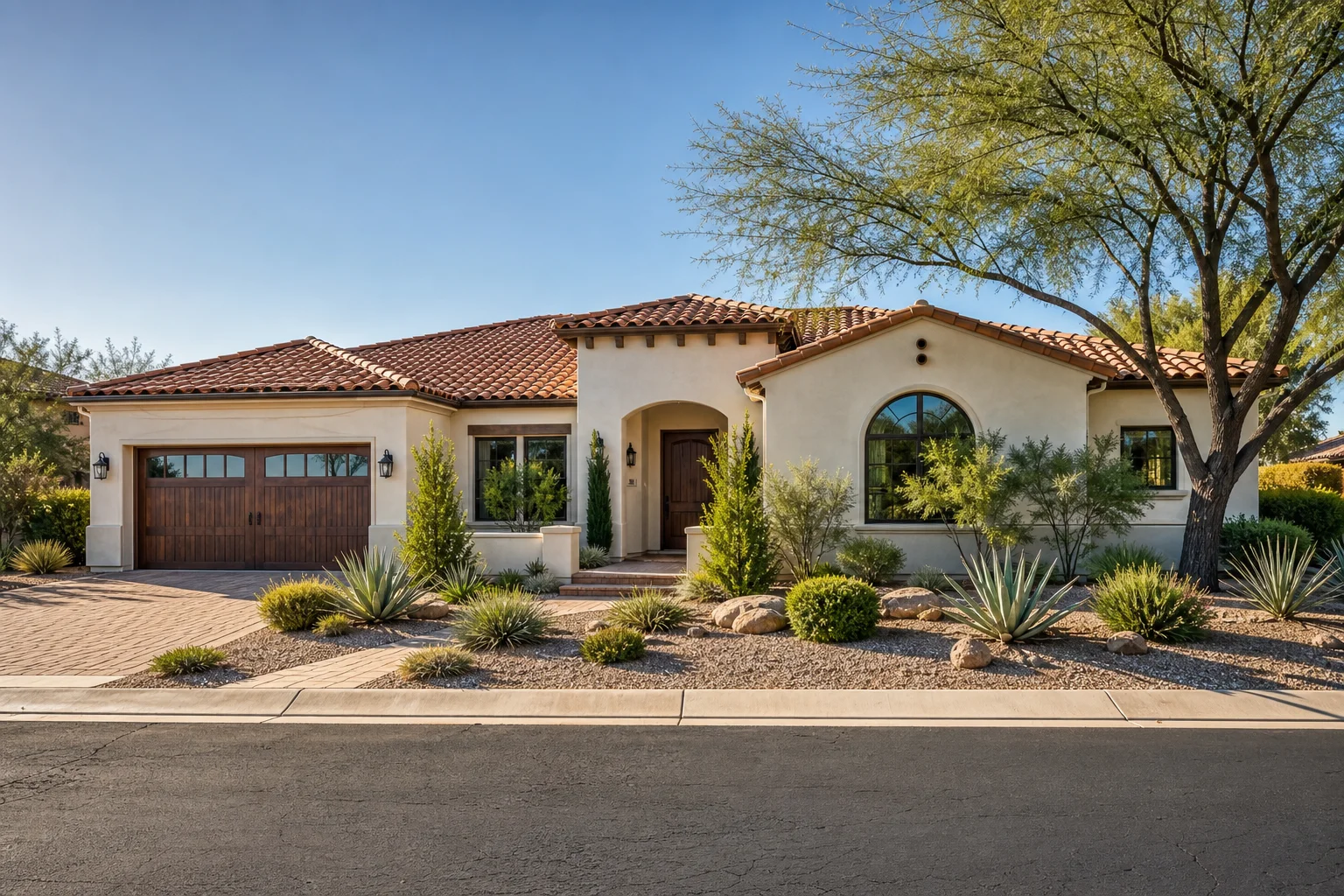
When selecting the best roofing material for Arizona heat, the right answer comes down to three variables: roof slope, budget, and how long you plan to own the home.
Tile roofing leads on lifespan, often exceeding 50 years with proper maintenance, and performs exceptionally well on the pitched roofs common across Maricopa County. Metal roofing follows closely in longevity and adds strong heat-reflection performance. Foam roofing is the standard call for flat roofs and low-slope sections. Asphalt shingles offer the lowest entry cost but carry a shorter lifespan under desert conditions.
On cost, asphalt shingles have the lowest upfront investment. Foam roofing on flat roofs falls in the mid-range. Metal roofing and tile roofing carry higher material and installation costs, but those costs spread favorably across a 40-to-70-year performance window.
The roofing materials arizona contractors install most often reflect these trade-offs directly: tile dominates new residential construction, metal is growing in both new builds and replacement projects, foam is the standard for flat roofs, and asphalt shingles remain common in the entry-level replacement market. Energy efficiency runs highest with metal roofing and foam systems, with tile following closely, and each of those options outperforms standard asphalt shingles in heat load reduction.
Frequently Asked Questions
What is the best roofing material for Arizona heat?
Tile roofing and metal roofing are the top performers for Arizona's desert climate. Tile offers exceptional longevity and thermal mass, while metal roofing reflects solar radiation effectively. The best choice depends on your roof slope, budget, and how long you plan to stay in the home. An on-site assessment from a qualified contractor helps identify which system fits your specific structure and goals.
How long do roofing materials last in Arizona?
Lifespan varies by material. Tile roofing commonly lasts 50 or more years in Arizona. Metal roofs typically last 40 to 70 years. Foam roofing on flat roofs can last 20 or more years with regular elastomeric coating maintenance. Asphalt shingles tend to last 15 to 20 years in desert heat, shorter than manufacturer ratings because of intense UV exposure and thermal cycling through extreme temperature swings.
Are flat roofs a good option for Arizona homes?
Flat roofs and low-slope designs are common across the Phoenix metro area and well-suited to the desert climate when covered with the right material. Foam roofing is the most widely recommended system for flat roofs in Arizona because its seamless application eliminates the most common leak points and adds an insulating layer that improves overall energy efficiency in the home.
Does metal roofing overheat in Arizona summers?
Metal roofs with reflective coatings perform well in hot climates because they reflect solar radiation rather than absorbing it. The key is pairing the metal system with adequate attic insulation and a radiant barrier below the deck. Without those layers, heat can conduct into the living space. A contractor experienced in desert construction will account for these requirements in the installation plan.
Does Tycho Solutions handle full roof replacements?
Tycho Solutions specializes in new construction and complete roof replacement projects, not minor patch repairs. If your roof is approaching the end of its service life or has sustained significant damage, a full roof replacement is the right course of action. A new system delivers a manufacturer-backed warranty and decades of reliable performance rather than extending a failing roof by a limited margin.
Choose the Right Roof for Your Arizona Home
The best roofing material for Arizona heat is the one that fits your roof slope, your budget, and your timeline. Tile roofing, metal roofing, foam systems for flat roofs, and asphalt shingles each serve different situations well, and a site visit is the fastest way to find out which fits yours. Get a Free Estimate from Tycho Solutions and get a clear recommendation for your home.